Learning About the Environment as a Family
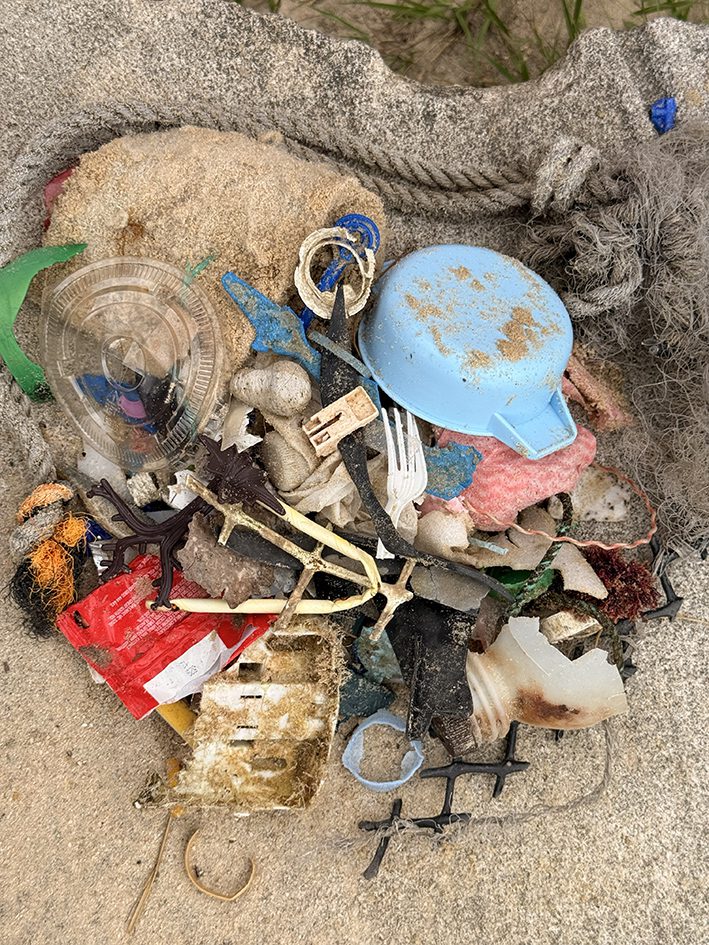
This summer, we took some time to slow down and enjoy family time together while exploring our beautiful Sunshine Coast coastline. One morning, we decided to take a walk along Mudjimba Beach, looking for a quieter stretch of sand to explore. Along the way, we noticed a line of debris left by the high tide. At first, it did not seem like much, but once we looked more closely, we realised there was more rubbish than we had expected. We grabbed a couple of reusable bags we had kept in the car and began collecting litter as we walked. By the end of our 2-kilometre stroll, our bags were full.
What We Found
The rubbish we collected included plastic bottles, food wrappers, bottle caps, broken beach toys, and fishing line tangled in seaweed. It was a stark reminder of how even small pieces of trash, often overlooked, can quickly accumulate and threaten local wildlife. Watching coastal birds swoop overhead in search of crabs and small fish, it was easy to imagine how this debris could harm them or be mistaken for food.
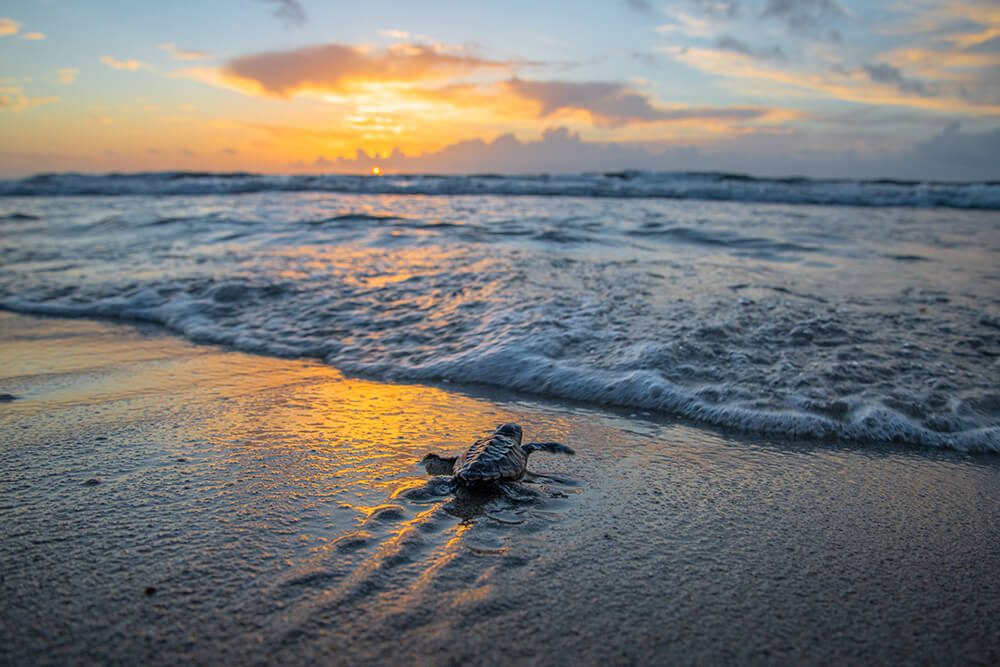
Knowing that turtles nest along this coastline during summer made the experience even more meaningful. Tiny hatchlings face enormous challenges as they make their way to the water, and small pieces of plastic or stray fishing line can be life-threatening. It really highlighted how simple actions, like picking up litter, can make a real difference.
Learning Together as a Family
One of the most rewarding parts of the day was seeing my family get involved, and I could see the difference our efforts made. What started as a simple beach clean-up became a chance to talk about our coastal wildlife, our beaches, and the ways we can all play a role in protecting it.
How You Can Help
If you’re heading to the beach this summer, consider turning a short walk into a family clean-up. Bring a bag, pick up what you see, and make it a fun, hands-on learning experience for your children. Remember to avoid walking on the dunes, as they may be home to nests full of precious eggs.
Our coastline is a living ecosystem, full of birds, turtles, and other wildlife. Teaching children to care for it is an important step in helping them develop an understanding of the world around them.
By Leanne Brown, Marketing Manager, canopy Early Education